What are we Calling Normal?
I remember a moment early in my child health career that has never left me.
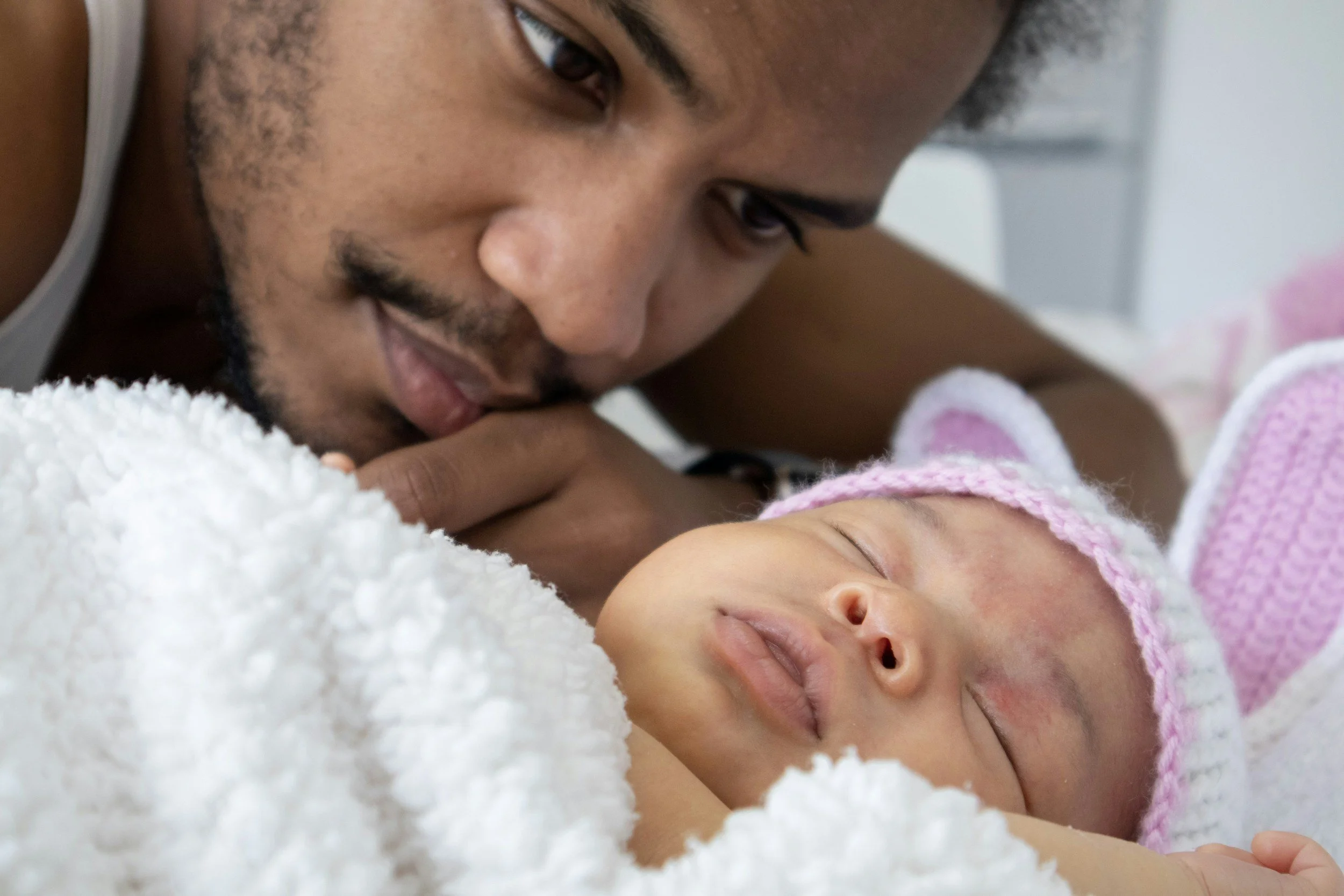
A young mother in a clinic, holding a newborn in one arm and paperwork in the other. She was trying to answer questions while her baby startled at every sound. Nothing dramatic was happening. No emergency. No crisis.
But I remember thinking: this is already too much for one nervous system to hold.
Not because she wasn't capable, but because she was so unsupported.
I didn't have language for it then, I do now. And that moment wasn't an exception to the rule, it was a pattern, just beginning to show itself.
It's why I entered this line of nursing in the first place. The upstream work of population health. Infant, child, adolescent, parent health. The part that quietly shapes everything that comes after.
And this isn't just a feeling I carry from over three decades as a clinician. Some of the strongest evidence in the world for it comes from here. The Dunedin Study has followed a thousand New Zealanders for over fifty years now, and what it keeps showing is that early experience, the load a child's nervous system carries, the support around it, echoes forward into health, work, relationships, decades on. The evidence is literally in our own backyard.
When parents and caregivers are supported early enough, when the load is reduced before it becomes overwhelm, when cycles of struggle are interrupted instead of inherited, what becomes possible is very different. Not just survival. Not just coping. Connection. Stability. The capacity to actually be present with life.
And yet I keep noticing how much strain we now treat as the new normal.
The exhaustion. The financial pressure. The constant low-level urgency. The sense that nobody is really doing okay, but everyone is still functioning.
Here is where I move from what I can prove to what I can only witness. I wonder whether what we call "normal life" is actually a collective stress response, stretched out over so long that it now looks like how life is supposed to be. No study can confirm that. But I have spent forty years watching nervous systems up close, and I know what sustained load looks like when it has learned to pass as coping.
Have we mistaken hypervigilance for over-ambition? Self-soothing for success? Constant stimulation for productivity? A world shaped by unmet emotional needs can start to feel like the only possible world.
I see the echoes of this every week. People doing everything "right" who still feel they're falling short. People who describe themselves as functioning, but also slightly detached from their own lives, running on reserves they didn't realise were empty until something finally stopped them.
And underneath most of those conversations is the same quiet sentence:
I didn't think it would feel like this.
Let me be clear about something, because it matters. When I look at our families, I am not saying they need to simply breathe more deeply or regulate harder. Much of what is pressing on them is material. Two incomes as necessity, not choice. Very young children in childcare not because of preference, but because the alternative isn't viable. Housing that costs too much, time that runs out too fast. Families under this kind of pressure don't first need therapy. They need the load to be lifted.
What I am saying is that the load doesn't stay on the outside. It moves into bodies. Into the mother filling in forms while her baby startles. Into children who absorb the household's urgency before they can name it. Economic strain and nervous system strain are not two conversations. They are one conversation we keep having in halves.
This is why it isn't only a health issue. It sits across education, economics, social policy, and justice, because its effects show up everywhere.
Which is why I keep listening out for this conversation. Especially here in Aotearoa, New Zeland as we head into another election cycle. I've been waiting a long time to hear it, and I'm still waiting after all this time.
And I think I understand the silence now, at least partly. The returns on supporting families early arrive in fifteen or twenty years time. An election cycle runs for three. Prevention is invisible when it works, and nobody stands at a podium to announce the crisis that never happened. The children this would help can't even vote, and their parents are far too busy carrying everything to lobby for it.
So the conversation doesn't happen. Not because the evidence is missing, but because the reality of this timeline doesn't quite fit the narrative.
I don't think I'm the only one noticing either. At least I hope not.
Maybe that's where it begins. Not with another new programme or policy announcement, but with finally naming what we're actually living inside. Because once we can see the load clearly, maybe we can finally stop asking people why they're struggling to carry it.